What Can Causes Water Meter to Run Continuously
Water is a major utility in any city, making it a significant concern for homeowners, renters, and commercial property owners alike. A high water bill is troublesome not only because of the financial cost but also because it indicates that precious water may be going to waste somewhere. According to the EPA, the average household's leaks can account for nearly 10,000 gallons of wasted water each year, and ten percent of homes leak 90 gallons or more per day. When your water bill is higher than normal, it's important to track down the cause and correct it as soon as possible. With this in mind, here are the most common reasons for a high water bill, and what you can do to address them. Toilets account for about 31 percent of the indoor water use for the average American home. It shouldn't come as a surprise, then, that they pose a major leak risk. A running or leaky toilet can waste up a staggering 6,000 gallons per month and add hundreds of dollars to a water bill. There are two common methods of checking for a toilet leak: In most cases, these leaks will be caused by a faulty flapper in the toilet tank. This is a relatively easy fix that only requires a short trip to your local home hardware store and a few minutes of work. Leaky faucet fixtures are another common cause of high water bills. The heavier the leak, the more water gets wasted, and the higher the water bill will be. For example, a faucet that's leaking about one drip per second can waste about 17 gallons over the course of a day. Thankfully, a leaking faucet is relatively easy to spot and fix. A simple visual check of your faucets, showerheads and other fixtures is all it takes to identify a leak at the fixture. The most common cause of a faucet leak is a faulty rubber washer in the faucet handle. In most cases, you can shut off the water to the leaky faucet, unscrew the handle, remove the bad washer, and replace it with a new one. Forget the missing socks, you may have a bigger problem: Your washing machine could be leaking. But, because they're often tucked away in closets and corners, many people don't notice. So, be sure to check underneath it. You might also consider a high-efficiency washer, which can use up to 50% less water than older models. Now, how about that dishwasher? It could be leaking as well, so be sure to check. But remember: Using a newer dishwasher uses less water than washing by hand. Don't believe us? CNET reports getting dishes clean in the sink can use up to 27 gallons of water per load, and that an Energy Star certified dishwasher can save almost 5,000 gallons of water per year. Be sure to check #10 on our list for more on washing machines and dishwashers! Not all leaks occur indoors. If you have an irrigation system for your landscaping, a line crack or loose joint could allow water to leak even when the irrigation system is off. Finding these leaks can be a little tricky, especially if the lines for the irrigation system are buried out of sight. To spot these leaks, you may need to check your lawn for unusually damp patches or areas of grass that are lusher than its surroundings. Keep in mind, however, these signs of a leak are similar to the signs of a leak in a lateral line. To fix this kind of leak, you may need to consult a professional plumber to find the location of the leak and to fix or replace the affected irrigation lines. In some cases, one of the underground pipes feeding water from your metered connection to your home may have a crack or loose joint. The causes of these leaks vary, but things such as pipe age, seismic activity, tree root intrusion, and animal activity are often contributing factors. This problem, while similar to an irrigation leak, is usually much more severe. When trying to tell if the leak is in your irrigation line or your lateral line water supply pipe, the amount of extra water consumption noted on your utility bill can serve as an indicator. For these leaks, the best solution is to contact a professional. A professional can recommend the best solution for the problem—such as traditional trench & replace, trenchless pipe lining, or pipe bursting. Many homes in Sacramento have a long history attached to them and equally old plumbing fixtures. In recent years, there have been numerous efficiency improvements made to common water fixtures, such as new-model aerators for faucets, low-flow water-saving toilets, and water-saving showerheads. This rarely shows up as a sudden problem—it's usually something that comes with the house and has you paying higher than expected water bills from day one. Check your home's faucets, toilets, showerheads, and other water-using equipment for WaterSense labeling, or date of manufacture. When buying a new home, ask the owner or real estate agent whether the plumbing fixtures have been replaced since the home's construction. A change of seasons can change your water consumption. Summer is notorious for higher water b bills for a number of reasons: Of course, water bill increases can happen in other months as well. For example, in the winter, you may run your water on occasion to avoid freezing pipes. Or, humidifiers attached to the furnace could be improperly adjusted or malfunctioning. You may not think about it, but one small change in your household situation can have a big impact on your utility bill. For example, adding a new guest/family member to your household. this is especially common during the holidays when kids are on break and back home, or family or friends are staying over. The best fix to counter or prevent a sharp spike in your water use is to plan ahead when possible. In some cases, you may need to budget for higher water consumption during certain months or for as long as you have that additional person in your home. On a related note, adding new water-intensive equipment to your home can also cause a significant increase in your water bill. Pools, sprinkler systems, washing machines, freezers, and other new equipment can result in a sudden increase in your water bill. To minimize the impact of new equipment on your water bill, try to select appliances that are marked as high-efficiency or have the WaterSense logo. If you add a pool to your property, be sure to cover it when it's not being used to minimize the water loss from evaporation so you don't have to use as much water to refill it. Often, a substantial water bill can be the result of overconsumption behaviors affiliated with appliances and home utilities. Some of these behaviors include: Water softener systems periodically backwash themselves with fresh water to regenerate. However, sometimes the backwash valve gets stuck in the open position, causing water to be continuously wasted into the sewer system. The result? A lot of water waste and a really high bill. Your best bet if you suspect a problem with your water softener system is to contact a professional or find troubleshooting videos online. Do none of the above apply? It's possible your meter may simply be mistaken. It happens. For example, in 2017, the city of Hollywood, Florida had to replace residents' meters (to the tune of $7 million) because they had not been designed to handle South Florida's hot, humid, and wet weather. As a result, they were providing inaccurate readings. If you think your meter may be faulty, this is the responsibility of your water company so you'll want to contact them to inspect it. Or, you can consult with a professional plumbing technician who can provide a meter test. By limiting water-wasting behaviors, you can significantly lower your water bill and resource efficiency. To learn more about the many factors that affect your water bill and usage, as well as what you can do to limit your consumption and save money, contact Express Sewer & Drain today. Our plumbing and water pipe professionals are available to assist you with all of your Sacramento home plumbing repair and replacement needs.
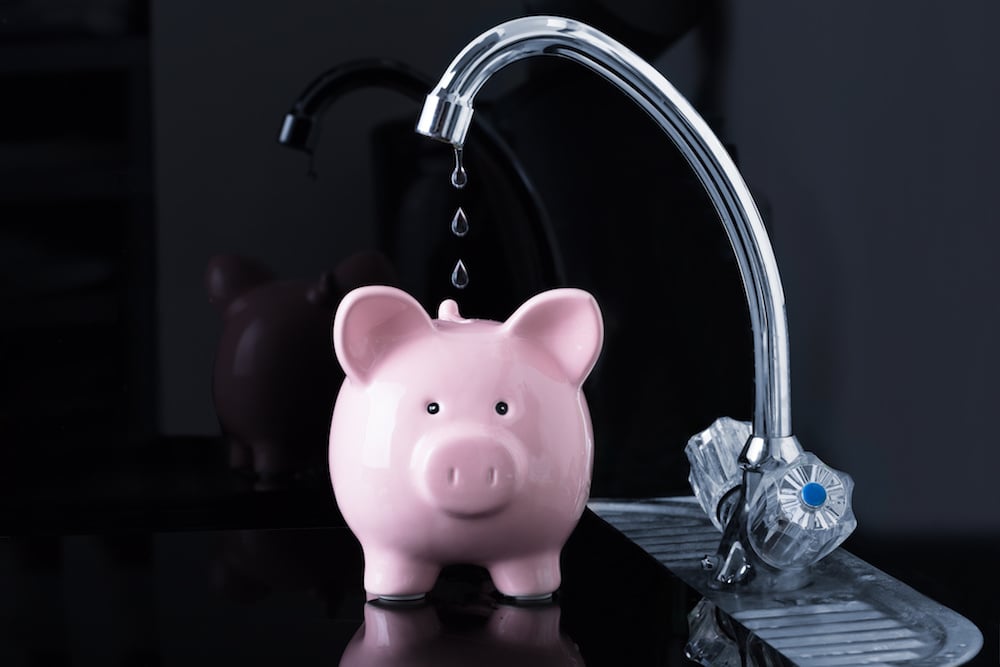
12 Reasons for a High Water Bill
1: Leaky/Running Toilets
2: Leaky Faucets & Fixtures
3: Leaky Washing Machines or Dishwashers
4: Irrigation Leaks
5: Lateral Line Leaks
6: Old, Outdated Fixtures & Toilets
7: Seasonal Changes & Water Consumption
8. Household Guests
9: New Water-Consuming Equipment
10: Bad Water Wasting Habits
11. Faulty Water Softener Systems
12. Water Meter Mistakes
Conclusion

Topics: Home Plumbing, Faucet Repair, Toilet Leaks and Repair
velazqueztraind87.blogspot.com
Source: https://www.expresssewer.com/blog/bid/338906/8-reasons-for-a-high-water-bill
0 Response to "What Can Causes Water Meter to Run Continuously"
Postar um comentário